7 Dangerous Pressure Washing Myths Homeowners Still Believe
Maintaining a coastal home comes with a unique set of challenges. Along the Central Coast, properties face a relentless mix of salt air, high humidity, coastal dampness, and persistent organic growth like mould, lichen, and algae. Exterior cleaning is vital to keep properties looking pristine and structurally sound, but pervasive misconceptions about pressure washing continue to cause thousands of dollars in avoidable damage every year.
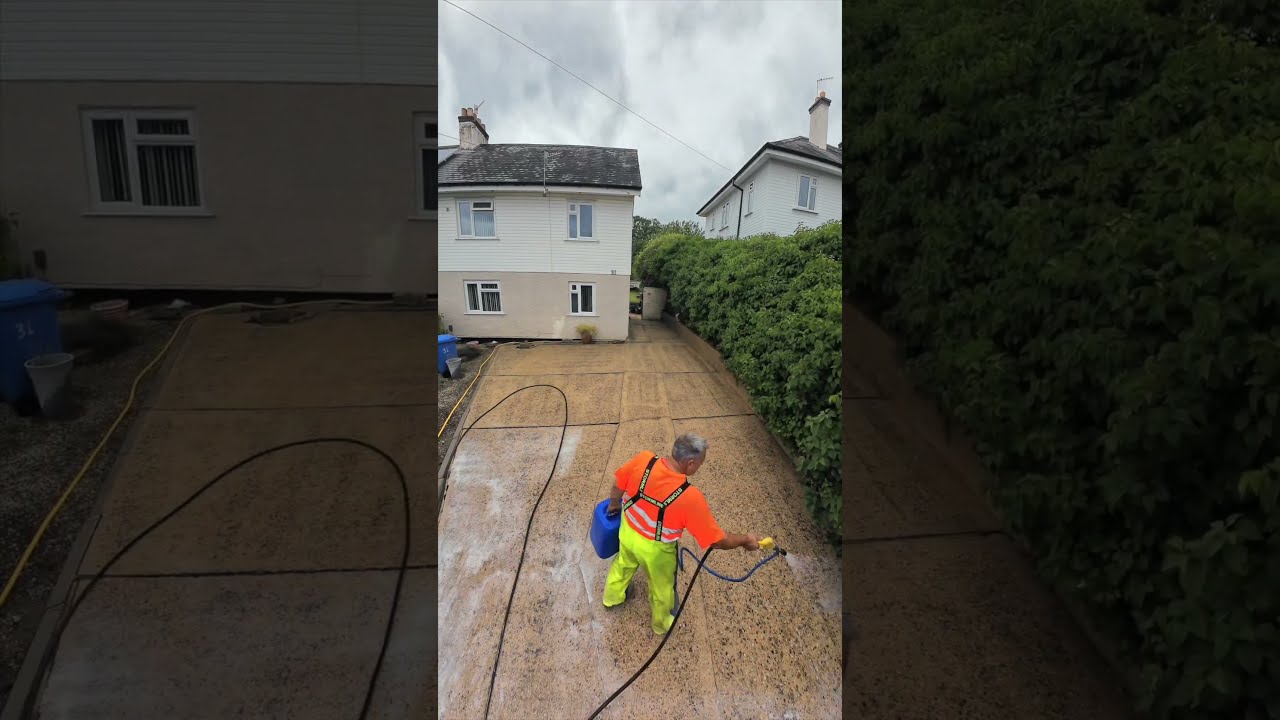
As we navigate 2026 exterior care standards, modern cleaning science relies on specialised chemistry and calibrated flow rates rather than sheer brute force. Believing outdated advice can strip away protective coatings, destroy building materials, and compromise your home's integrity. Here are seven dangerous pressure washing myths every Central Coast homeowner should leave behind.
Myth 1: More Pressure Equals a Better, Faster Clean
The belief that blasting surfaces at maximum pressure yields the best result is perhaps the most destructive myth in exterior maintenance. Standard commercial washers can output upwards of 4,000 PSI (pounds per square inch). While that level of force can strip paint from steel, applying it to residential surfaces often leads to gouged timber, etched concrete, and pitted https://centralcoastpressurecleaningpros.com.au/driveway-cleaning/ pavers.
Modern exterior cleaning prioritises water volume (flow rate) and targeted cleaning solutions over high pressure. Professional techniques, known as soft washing, use low pressure to gently apply biodegradable sanitising solutions that eliminate mould spores at their root, rather than relying on abrasive force that damages building substrates.
Myth 2: Any Exterior Surface Can Handle Pressure Washing
Many homeowners assume exterior materials are virtually indestructible. In reality, modern architectural finishes and coastal building components require tailored treatments. Applying standard pressure washing equipment to delicate substrates degrades protective barriers, leading to premature aging and moisture penetration.
The following materials should never be subjected to high-pressure cleaning:


- Roof tiles and metal sheeting: High pressure strips away factory protective coatings, dislodges ridge mortar, and forces water under overlaps.
- Rendered walls: High pressure can punch holes directly through acrylic and cement render, creating entry points for water leaks.
- Timber decking: Excessive PSI tears wood grain fibers, creating splintering, splintering hazards, and fuzzy boards that rot quickly.
- Sandstone and soft masonry: Natural coastal stone is porous; high pressure erodes the stone face, accelerating weathering.
- Glass and window seals: High-pressure spray easily shatters double-glazing seals, causing permanent condensation between panes.
Myth 3: Pressure Washing Only Uses Plain Water, So It Is Inherently Eco-Friendly
Relying exclusively on high-pressure water might sound environmentally responsible, but it actually creates multiple ecological and structural issues. First, using pure water without an active cleaning agent simply blows organic growth off the surface, scattering spores across your yard to regrow within weeks.
Second, untreated wastewater laden with grit, oils, and micro-particles often runs straight into local storm drains, discharging directly into sensitive Central Coast lagoons, estuaries, and marine habitats. Current 2026 environmental guidelines require careful runoff containment and the use of eco-friendly, neutralising treatments that break down safely without contaminating coastal waterways.
Myth 4: Household Bleach Solves Every Outdoor Mould Problem
Pouring standard household chlorine bleach onto paths or exterior walls is a common DIY shortcut. While bleach temporarily fades the dark stains of mould and mildew, it does not eradicate deep-seated root systems on porous surfaces. Furthermore, runoff from undiluted household bleach damages surrounding garden beds, burns coastal native plants, and corrodes metal fixtures like gutters, screws, and handrails.
Safe and lasting eradication requires specialised algaecides and surfactants formulated to break surface tension, penetrate microscopic crevices, and kill fungal colonies completely before being neutralised and rinsed away safely.
Myth 5: DIY Pressure Washing Is Simple, Safe, and Saves Money
Hiring a small pressure washer from a hardware store appears cost-effective on the surface. However, domestic machines often produce low water volume paired with high, erratic pressure spikes. This imbalance causes the classic "tiger striping" effect on driveways—unsightly, permanent lines cut into the surface where the cream layer of the concrete has been chipped away.
Beyond property damage, high-pressure equipment presents severe physical dangers. A concentrated jet of 3,000 PSI water can easily puncture boots, sever skin, cause deep tissue infections, or throw dislodged debris into eyes. When factoring in the cost of surface repairs, equipment hire, and potential medical treatment, DIY pressure washing rarely delivers the intended savings.
Myth 6: Pressure Washing Your Own Roof Is a Standard Weekend Chore
Walking onto a damp roof with a high-pressure hose is one of the most hazardous activities a homeowner can undertake. Wet roof tiles, moss, and algae are slicker than ice. Aside from the severe danger of falls, high-pressure roof washing drives gallons of water upwards beneath tiles, soaking ceiling insulation and ruining internal plasterboard.
Industry best practice in 2026 dictates that residential roofs should only ever be treated using specialized low-pressure soft wash systems operated from secure access points, using treatments that allow rainfall to gently rinse away dead organic debris over time.
Myth 7: Exterior Cleaning Is Purely Cosmetic
Treating pressure washing as merely an aesthetic upgrade overlooks its essential role in asset protection. In coastal environments, salt residue, moss, and fungal growth work together to break down building materials. Moss holds trapped moisture against roofs and driveways, causing concrete spalling and tile fractures during temperature shifts.
Furthermore, algae and mildew on walkways, timber ramps, and pool surrounds create hazardous slip hazards during damp coastal mornings. Routine, gentle cleaning protects your home's valuation, ensures safety underfoot, and extends the service life of painted surfaces, sealants, and exterior timbers by years.
Best Practices for Maintaining Central Coast Properties
Protecting your property requires moving away from brute-force cleaning methods and embracing balanced surface care. Implementing a proactive exterior cleaning schedule prevents heavy organic buildup and keeps surfaces intact year after year.
- Inspect surfaces regularly: Check shaded walls, eves, and driveways every six months for the earliest signs of green or black algae growth.
- Rely on soft washing for vertical finishes: Always specify low-pressure treatments for cladding, render, timber, and roofing systems.
- Verify drainage and environmental controls: Ensure any wash runoff is directed away from ornamental plants and contained from direct stormwater entry.
- Re-seal porous surfaces: After a deep professional clean, apply high-grade breathable sealers to concrete, pavers, and sandstone to repel moisture and salt penetration.
By debunking these pervasive myths and adopting modern, surface-specific cleaning protocols, Central Coast homeowners can protect their structural investments, preserve curb appeal, and avoid expensive repair bills.
Central Coast Pressure Cleaning Pros
(02) 4326 0534